
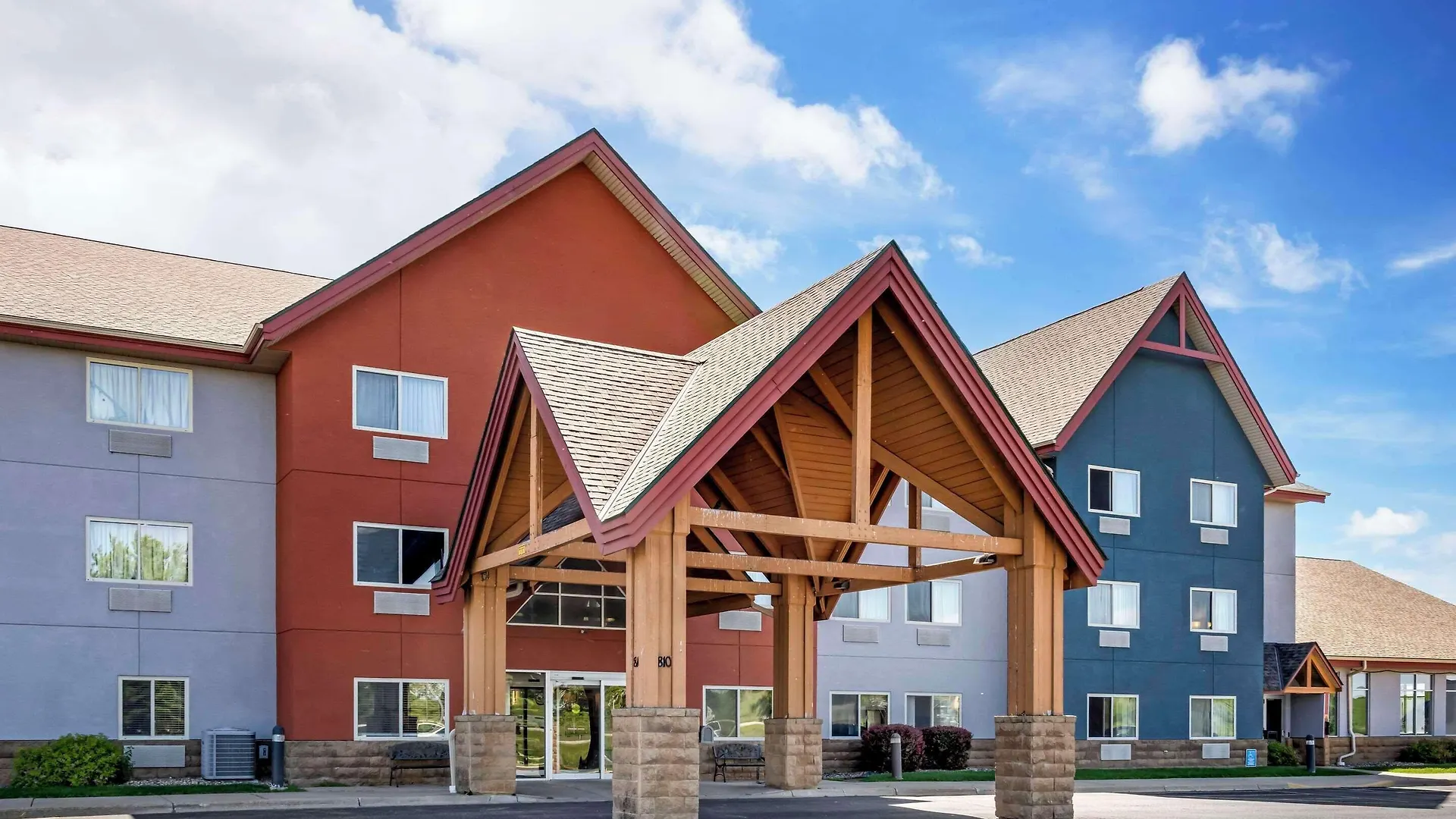
Minnesota's hotel landscape stretches from the Iron Range mining towns of the north to the agricultural flatlands of the south, with each subregion offering a distinct character that shapes your stay. Whether you're passing through on I-90, exploring the lakes district around Alexandria, or visiting the historic college town of Northfield, the state rewards travelers who choose accommodations rooted in their local context. This guide covers 6 hotels with historic character across Minnesota, helping you match the right property to your itinerary, budget, and travel style.
What It's Like Staying in Minnesota
Minnesota is a state of dramatic seasonal contrasts - summers draw visitors to over 10,000 lakes, while winters demand hotels with solid indoor amenities like pools, hot tubs, and on-site dining. Road travel dominates here, with most attractions spread across wide geographic distances, so your hotel's parking and proximity to interstates matter far more than walkability. Cities like Minneapolis-Saint Paul anchor the east, but smaller hubs - Northfield, Alexandria, Willmar, Albert Lea, Hibbing - each serve as genuine overnight bases for regional exploration, not just highway stops.
Pros:
- Free parking is standard at nearly all Minnesota hotels outside the Twin Cities, cutting daily travel costs significantly
- Indoor pools and breakfast amenities are widely available, making off-season and winter travel genuinely comfortable
- Regional positioning across the state means you can use smaller cities as efficient bases to reach multiple attractions in one day
Cons:
- Public transit outside Minneapolis is essentially nonexistent, so a rental car is not optional
- Airport access from smaller cities like Willmar or Northfield can add around 2 hours of driving to your arrival or departure
- Dining options near smaller-city hotels are limited in the evenings, especially outside peak summer months
Why Choose Historic Hotels in Minnesota
Historic hotels in Minnesota tend to sit in town centers or along legacy highway corridors, giving them a sense of place that newer builds lack - they're often connected to the local character of their city rather than feeling interchangeable. In practice, these properties have been updated to include modern amenities like high-speed WiFi, fitness centers, and business facilities, while retaining structural and community roots that make a stay feel grounded. Prices at these hotels remain competitive, typically sitting in the mid-range tier, which means you're not paying a luxury premium for the added character. The trade-off is that some historic properties have smaller room footprints or older corridor layouts that limit accessibility compared to purpose-built modern hotels.
Pros:
- Properties like Hampton Inn Hibbing and Country Inn & Suites locations offer indoor pools and hot tubs - rare in budget categories but standard here
- Free breakfast is included at most of these hotels, delivering real daily savings for families and road trippers
- Locations in smaller Minnesota cities mean less street noise, easier parking, and more direct access to regional parks and lakes
Cons:
- Properties outside the Twin Cities area won't give you walkable nightlife or dense restaurant options within steps of the door
- Room configurations can feel dated in older wings, even after renovations - suites or upgraded rooms are worth requesting at booking
- Demand spikes sharply in summer, and availability at smaller-city hotels can drop fast - booking around 6 weeks ahead is advisable for peak travel
Practical Booking & Area Strategy in Minnesota
For travelers entering from the south on I-90, Albert Lea is a strategically placed stop - sitting at the junction of I-90 and I-35, it connects you efficiently to both the Twin Cities and Iowa, and offers lake access at Fountain Lake and Myre-Big Island State Park within minutes of your hotel. Northfield, about 50 kilometers south of Minneapolis, is the best base for travelers interested in the historic Carleton and St. Olaf College town atmosphere and the famous 1876 Jesse James Bank Raid site. Alexandria in central Minnesota positions you within reach of the Andes Tower Hills ski area and dozens of lake recreation zones, while Hibbing in the Iron Range north connects visitors to the Hull-Rust-Mahoning Open Pit Mine - one of the largest open-pit iron mines in the world - and the boyhood home of Bob Dylan. Willmar serves as a practical central hub for travelers crossing between the Twin Cities and the Dakotas, with hiking and lake access nearby. Book early for July and August, when Minnesota's lake season drives occupancy at smaller-city hotels above 90% on weekends.
Best Value Stays
These hotels deliver strong amenity packages - including indoor pools, free breakfast, and free parking - at accessible price points across southern and central Minnesota.
-
1. Comfort Inn Albert Lea At Trails Travel Center
Show on map


 Check-infrom 15:00 until 23:59Check-outuntil 11:00
Just a few rooms left at the best rate!
fromUS$ 109
-
2. Americinn By Wyndham Albert Lea
Show on map


 Check-infrom 15:00 until 23:59Check-outuntil 11:00
Just a few rooms left at the best rate!
fromUS$ 88
-
3. Country Inn & Suites By Radisson, Northfield, Mn
Show on map


 Check-infrom 15:00 until 23:59Check-outuntil 12:00
Hurry – almost gone at this price!
fromUS$ 91
Best Premium Stays
These properties offer stronger facility packages - fitness centers, bars, saunas, and enhanced room amenities - in locations that anchor distinct Minnesota subregions worth building a trip around.
-
4. Hampton Inn Hibbing
Show on map


 Check-infrom 15:00 until 23:59Check-outuntil 11:00
Hurry – almost gone at this price!
fromUS$ 240
-
5. Quality Inn & Suites Alexandria
Show on map


 Check-infrom 15:00 until 23:59Check-outuntil 11:00
Rooms filling fast – secure the best rate!
fromUS$ 76
-
6. Country Inn & Suites By Radisson, Willmar, Mn
Show on map


 Check-infrom 15:00 until 23:59Check-outuntil 11:00
Rooms filling fast – secure the best rate!
fromUS$ 100
Smart Travel & Timing Advice for Minnesota
July and August are Minnesota's peak travel months, driven by lake season, state fair traffic in late August, and college move-in periods - rates at smaller-city hotels can climb steeply and availability at properties like Hampton Inn Hibbing or Quality Inn Alexandria tightens fast. Booking at least 6 weeks ahead for summer travel is a practical baseline; for Labor Day weekend specifically, even earlier is advisable. The shoulder seasons - May through early June and September through October - offer the best combination of reasonable rates, comfortable temperatures, and thinner crowds at popular sites like the Iron Range or the Alexandria lakes. Winter travel (November through March) is quietest in terms of crowds and cheapest in terms of rates, but requires hotels with strong indoor amenities - indoor pools, hot tubs, and on-site dining become non-negotiable rather than nice-to-haves. A minimum of 2 nights in any given subregion allows you to genuinely explore rather than simply transit - particularly in areas like the Iron Range, where multiple sites cluster around Hibbing, or around Albert Lea, where lake recreation requires unhurried mornings.


